Trail Origins
Exploring the Birth of the Bozeman Trail
Emigrants used the trail in 1864, 1865, and 1866 as a direct route across the Northern Plains. Along with freighters and scouts, they followed this corridor in pursuit of opportunity, transforming older pathways into a well-traveled road to the gold fields.
More than a road to riches, the trail crossed the homelands and hunting grounds of the Lakota (Sioux), Northern Cheyenne, Crow and Arapaho. As traffic increased, so did tensions. Raids, reprisals, and the establishment of military posts along the route escalated the conflict, leading to pivotal clashes and new treaties that reshaped the region. Though short-lived, the Bozeman Trail left a lasting mark—its story reflects both the ambitions of westward expansion and the profound costs borne by the people and landscapes along its path.
Ancient Pathways of the Bozeman Trail
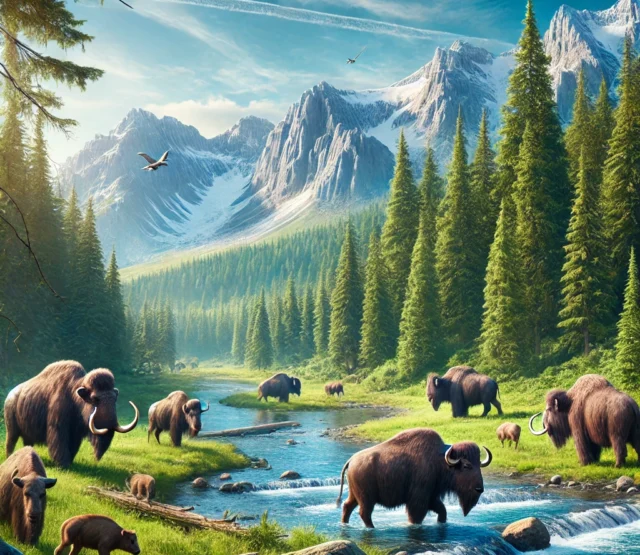
Long before wagons cut their ruts across the Northern Plains, this corridor was a natural passage for wildlife. At the end of the Pleistocene, mastodons, giant bison, and other animals followed its gentle valleys and mountain-fed streams, avoiding the steep ridges nearby.
The first humans arrived soon after, traveling along ice-free routes that opened on the eastern slopes of the Rockies. They hunted and moved along the same well-worn paths as the animals, leaving traces of their presence in the land’s oldest stories.
Centuries later, fur trappers like Jim Bridger walked these stream-fed valleys in search of beaver. Following his lead, John Bozeman guided emigrant wagons along the same route, finding it an easily navigable passage into Montana.
Archaeological discoveries underscore the corridor’s deep history. Near Wilsall, along Bridger’s route of the trail, the oldest known human remains in the region were found. Tools buried with the individual came from the Pryor Mountains—nearly 200 miles away—evidence of far-reaching connections across this landscape long before the Gold Rush.
The Bloody Bozeman
Conflict and Conquest Along the Trail
As emigrant traffic swelled in the mid-1860s, the Bozeman Trail quickly became a flashpoint of conflict. Cutting through the hunting grounds of the Lakota, Cheyenne, Crow and Arapaho, the trail was seen as a direct threat to their survival. Raids and skirmishes intensified, while the U.S. Army attempted to secure the route with a chain of forts. Instead of creating safety, these outposts deepened tensions and fueled open warfare.
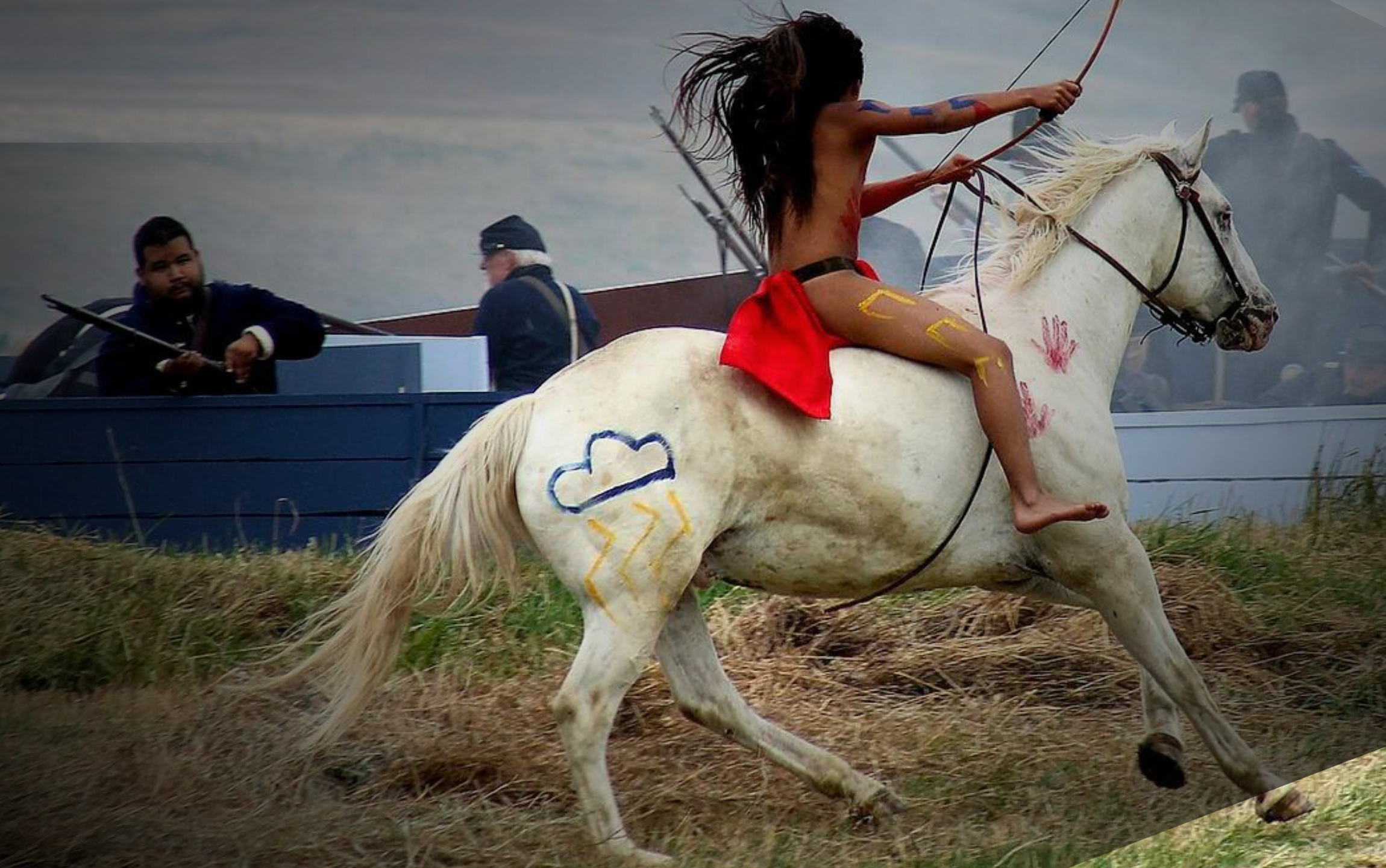
The bloodshed reached its height on December 21, 1866, when Captain William J. Fetterman and 80 soldiers rode out from Fort Phil Kearny. Lured into an ambush by decoys, they were surrounded by a coalition of Lakota, Cheyenne, and Arapaho warriors under the leadership of Red Cloud and his allies. In less than an hour, the entire command was annihilated—a devastating loss for the Army and one of its worst defeats in the Indian Wars.
The Fetterman Fight, as it became known, sent shockwaves across the frontier. It demonstrated both the determination of Native nations to defend their homelands and the peril of forcing settlement through contested territory.
Though the Bozeman Trail remained open only a few years, its history is written in this legacy of courage and conflict. The “Bloody Bozeman” remains a stark reminder of the human cost of westward expansion, revealing how ambition, survival, and cultural collision shaped the American West.
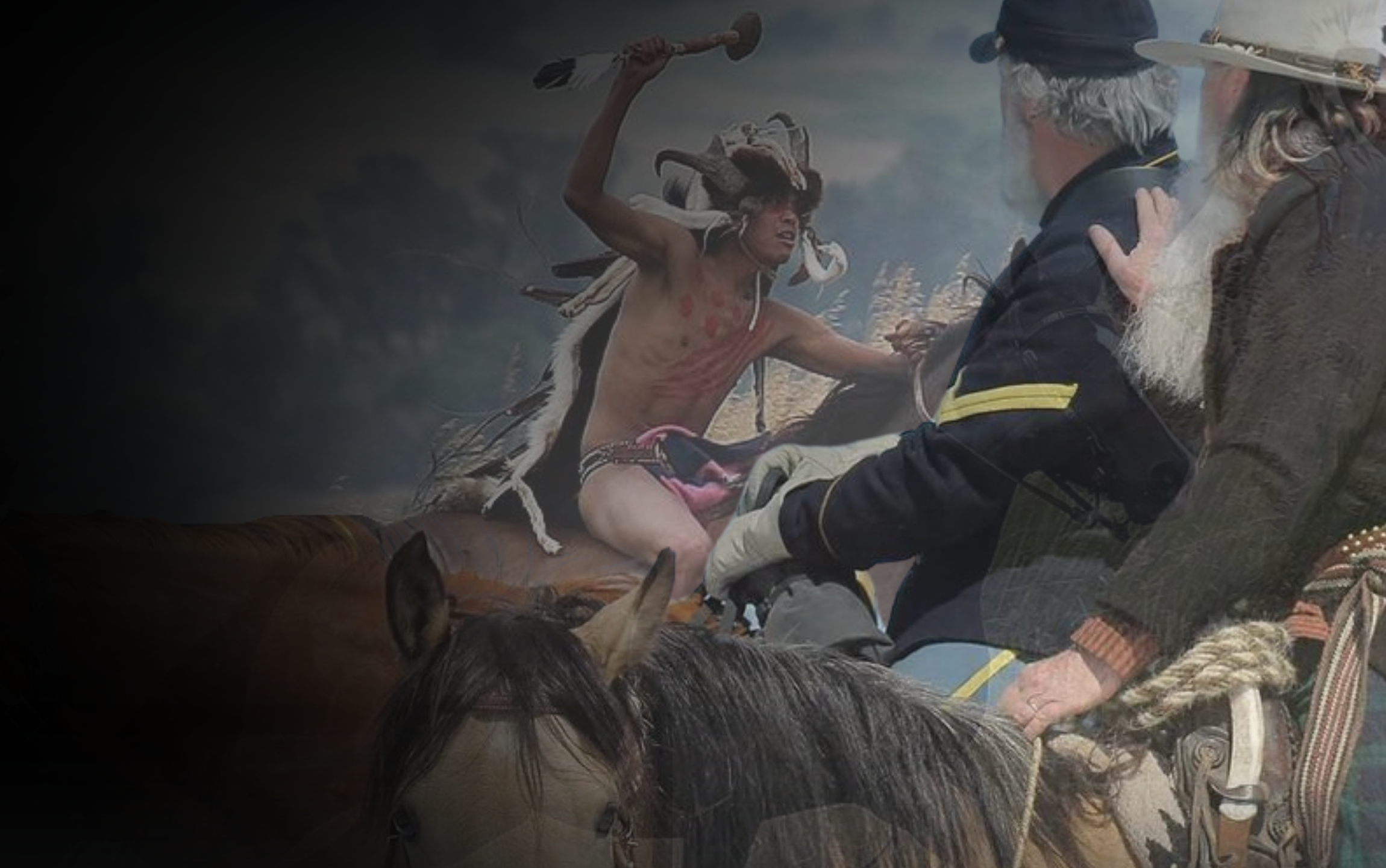
Red Cloud's War
The Fetterman Fight and the Struggle for the Bozeman Trail
Red Cloud’s War (1866–1868) was a decisive chapter in the history of the Northern Plains. Led by Red Cloud, an Oglala Lakota chief, statesman, and military strategist, the conflict represented a unified effort by the Lakota Sioux, Northern Cheyenne, and Arapaho to halt the opening of the Bozeman Trail through their homelands.
The trail threatened far more than travel routes. Increased traffic drove away bison and antelope, undermining the food sources and lifeways of Plains tribes. Determined to protect their territory and sovereignty, Native leaders organized a sustained campaign against U.S. military posts established to guard the route.
One of the most significant moments of the war occurred on December 21, 1866, near Fort Phil Kearny in present-day Wyoming. In what became known as the Fetterman Fight, warriors executed a carefully planned ambush that drew Captain William J. Fetterman and 80 soldiers away from the fort. None survived. The defeat stunned the U.S. Army and reverberated across the nation.
The Fetterman Fight was not an isolated event but part of a broader strategy that defined Red Cloud’s War. Through continued resistance, Native nations forced the United States into negotiations that culminated in the 1868 Fort Laramie Treaty. The agreement required the abandonment of the Bozeman Trail and recognized a vast reservation for the Lakota. Red Cloud’s War remains the only conflict in which Plains tribes compelled the U.S. government to close a major route and withdraw its forts—an enduring testament to Native leadership, unity, and resistance.
Leadership in Defense of the Plains
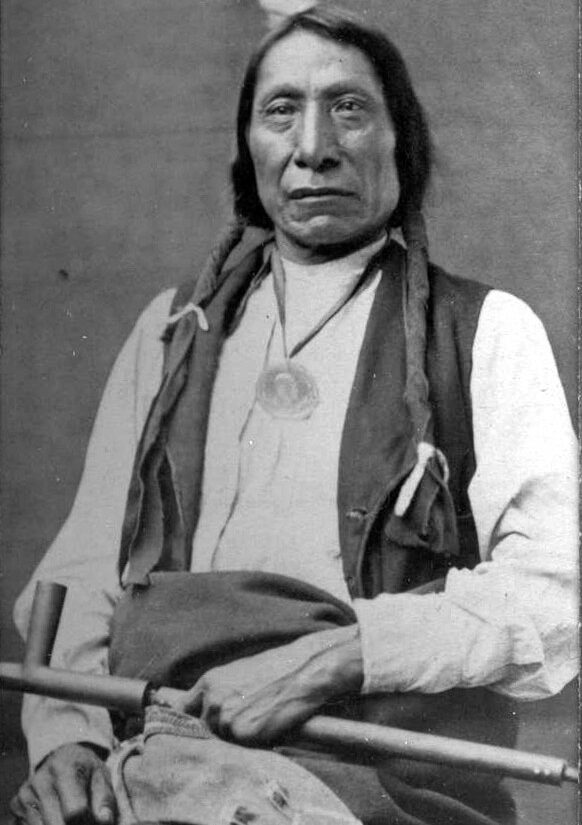
Red Cloud, an Oglala Lakota Sioux chief (1822-1909) was one of the most famous leaders of the plains Indians who significantly forced the US government to agree to Native demands. The Native Americans, Sioux, Cheyenne, Arapaho, and Crow, had many reasons to try to keep the emigrants from traveling the Bozeman Trail. The increase of traffic, especially, meant the loss of their hunting grounds, for bison and antelope, resulting in loss of food supply or starvation. Red Cloud led a two-year harassment of the military known as Red Cloud’s War. He led several decisive battles such as the Battle of the Hundred-in-the-Hands, Fetterman Massacre, the Hay Field Fight, and Wagon Box Fight. The bloody battles did not end until the government decided there was no hope of defeating Red Cloud and agreements created the Fort Laramie Treaty of 1868.
Voices of the Trail
Witnessing History through Multimedia
The Bozeman Trail is remembered not only through battles and maps but also through the voices of those who lived its story. From Native leaders like Red Cloud to emigrant diaries, historians, and modern interviews, these stories bring the trail’s legacy to life in a deeply personal way.